


Published March 13, 2026
Printing industry in Vietnam and USA-China trade war
The ongoing trade tensions between the USA and China have created a complex and dynamic environment for various industries, including the printing industry in Vietnam. Here’s an analysis of the advantages and disadvantages of the printing industry in Vietnam in this context:
**Advantages:**
1. **Benefiting from the China-US trade war:** As the US imposes tariffs on Chinese goods, some international companies are looking to relocate their manufacturing operations to other countries, including Vietnam. This shift can bring new opportunities for the printing industry in Vietnam, as companies may seek local printing services for their products.
2. **Increased exports:** With Vietnam being a more favorable destination for US companies, the country’s printing industry can experience an increase in exports, particularly for products such as packaging materials, labels, and printed products for the US market.
3. **Growing demand for packaging printing:** The growth of e-commerce in Vietnam and the region can drive the demand for packaging printing, which is a significant segment of the printing industry.
4. **Competitive labor costs:** Vietnam has a competitive labor market, which can attract foreign investors and printing companies looking to set up or expand their operations in the country.
5. **Improving infrastructure:** Vietnam has been investing in its infrastructure, including transportation networks and logistics facilities, making it easier for printing companies to operate efficiently.
**Disadvantages:**
1. **Dependence on imported raw materials:** The Vietnamese printing industry relies heavily on imported raw materials, such as paper, ink, and printing equipment, which are often sourced from China. The fluctuation in currency exchange rates and potential tariffs on these imports can increase costs and affect the industry’s competitiveness.
2. **Limited domestic market:** While Vietnam’s printing industry can benefit from export opportunities, the domestic market is relatively limited, and companies may face challenges in terms of market size and growth.
3. **Competition from other countries:** Vietnam is not the only country that can benefit from the China-US trade tensions. Other Southeast Asian countries, such as Indonesia, Malaysia, and Thailand, are also competing for foreign investment and export opportunities.
4. **Environmental and regulatory challenges:** The printing industry is subject to various environmental regulations, and companies must comply with these requirements. Vietnam’s regulatory environment is evolving, and printing companies must adapt to new regulations and standards.
5. **Technological changes:** The printing industry is undergoing significant technological changes, including the adoption of digital printing and Industry 4.0 technologies. Vietnamese printing companies must invest in these technologies to remain competitive.
**Opportunities and recommendations:**
1. **Invest in technology:** Vietnamese printing companies should invest in modern printing technologies, such as digital printing, to improve efficiency, quality, and competitiveness.
2. **Develop niche markets:** Companies can focus on niche markets, such as specialty printing or packaging, to differentiate themselves and capitalize on emerging trends.
3. **Improve supply chain management:** Printing companies should develop robust supply chain management systems to ensure a stable supply of raw materials and mitigate the risks associated with imported materials.
4. **Enhance environmental sustainability:** Companies should prioritize environmental sustainability and comply with international standards and regulations to maintain their competitiveness and reputation.
5. **Develop human resources:** The printing industry in Vietnam should invest in human resource development, including training programs and workforce development initiatives, to build a skilled and competitive workforce.
By understanding the advantages and disadvantages of the printing industry in Vietnam in the context of the China-US trade tensions, companies can develop strategies to capitalize on emerging opportunities and address the challenges ahead.
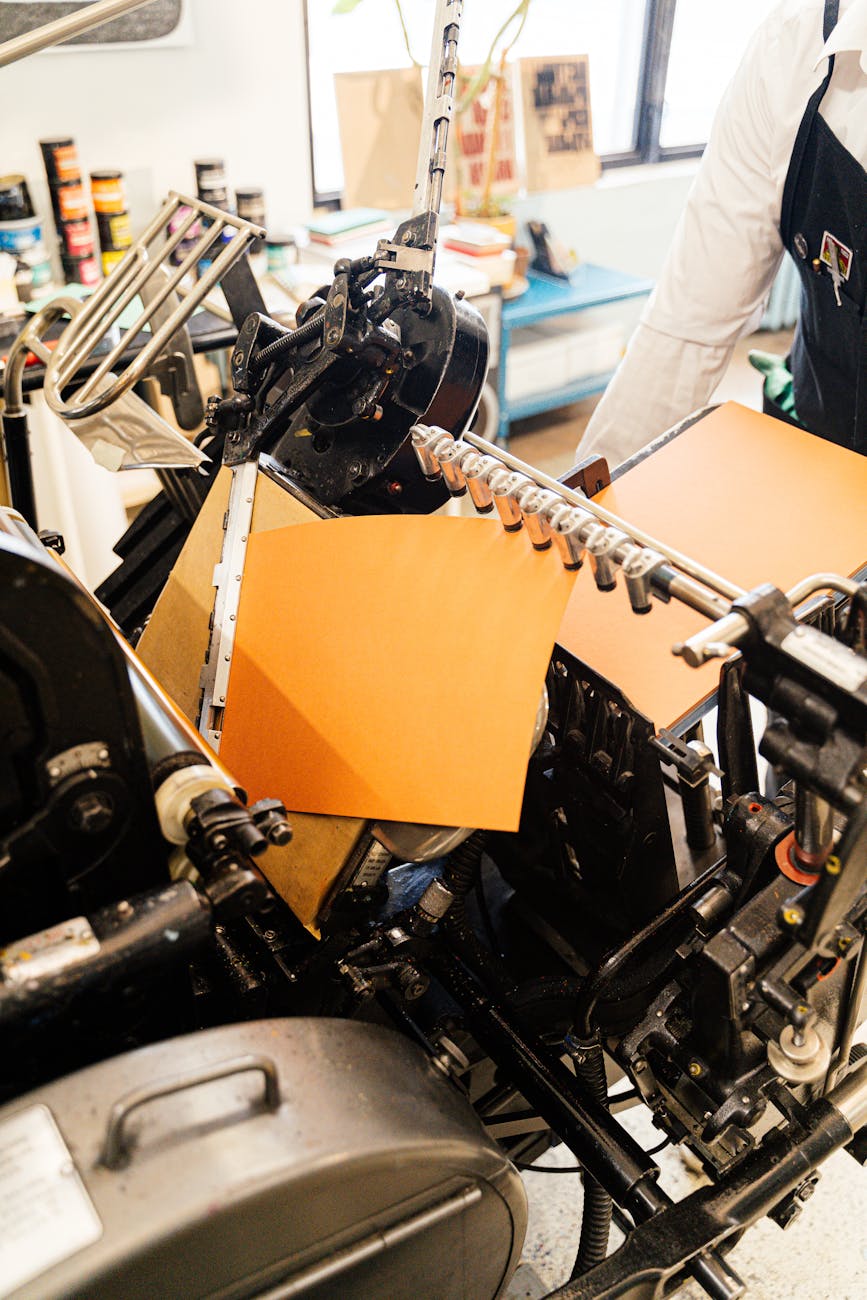
Image by: Antoni Shkraba Studio
https://www.pexels.com/@shkrabaanthony

