


Published March 13, 2026
Vietnam’s Rise as ASEAN’s Premier Printing Hub in Asia Pacific
Vietnam’s printing industry has been gaining prominence in the ASEAN and Asia Pacific regions due to several key factors. The country’s strategic location, situated near major shipping routes and with proximity to key markets in China, Southeast Asia, and beyond, has made it an attractive destination for printing businesses.
One of the significant advantages Vietnam offers is its competitive labor costs. According to a report by the International Labour Organization (ILO), Vietnam’s labor costs are significantly lower than those in neighboring countries such as China and Thailand. This has enabled Vietnamese printing companies to offer competitive pricing to clients while maintaining high-quality standards.
Vietnam has also made significant investments in modernizing its printing technology. The country has seen an influx of foreign investment in the printing sector, with companies from countries like Japan, South Korea, and the United States setting up operations in Vietnam. These investments have brought advanced printing technologies and expertise to the country, enabling Vietnamese printing companies to produce high-quality materials.
The Vietnamese government has implemented policies aimed at supporting the growth of the printing industry. These include tax incentives, investment incentives, and support for workforce development. Such policies have encouraged both domestic and foreign investment in the sector, further driving its expansion.
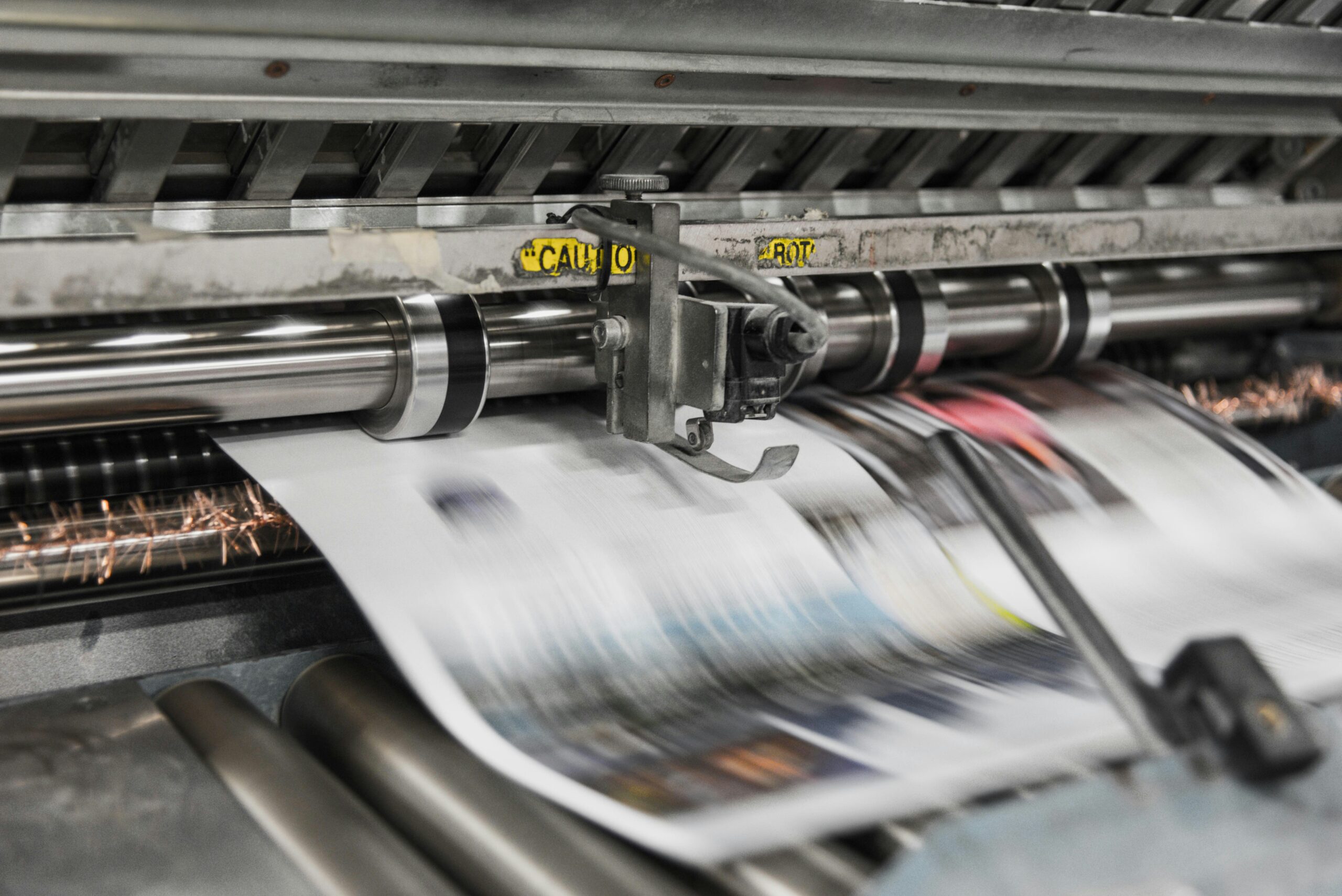
The current state of the printing industry in Vietnam is characterized by its diversity and rapid growth. The industry encompasses a wide range of printing services, from offset printing to digital printing, and caters to various sectors such as packaging, publishing, and advertising. Vietnamese printing companies are known for their flexibility and ability to handle both large-scale and small-scale printing projects.
Despite its growth, the printing industry in Vietnam faces challenges. One of the main challenges is the need for continuous investment in technology to stay competitive with global standards. Additionally, environmental concerns and the need for sustainable practices are becoming increasingly important. However, these challenges also present opportunities for innovation and growth.
Foreign investment has played a crucial role in shaping Vietnam’s printing industry. The entry of foreign companies has not only brought in capital and technology but also expertise and international best practices. This has helped Vietnamese printing companies to upgrade their capabilities and meet the demands of global clients.
In conclusion, Vietnam’s emergence as a leading printing hub in ASEAN and the Asia Pacific can be attributed to its competitive advantages, including its strategic location, competitive labor costs, advancements in printing technology, and supportive government policies. The industry is expected to continue its growth trajectory, driven by both domestic demand and foreign investment. As the industry navigates challenges and seizes opportunities, it is poised to become an even more significant player in the global printing market.
Image by: Antoni Shkraba Studio
https://www.pexels.com/@shkrabaanthony
